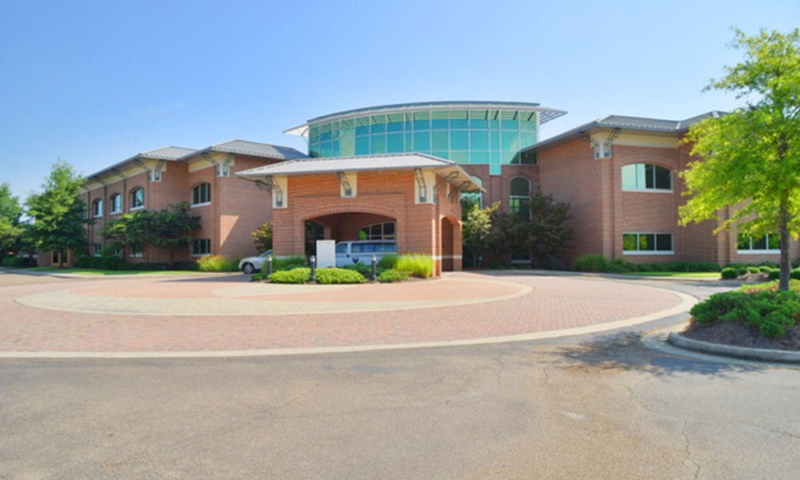
Pediatric Gastroenterology

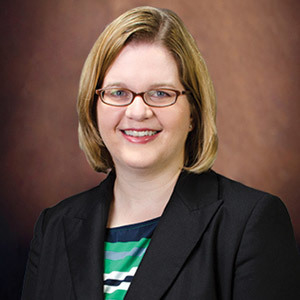
The dedicated pediatric practice of GI Associates has unique insight and experience fortreating gastrointestinal disorders in children. Our pediatric gastroenterologists, Dr.April Ulmer, Dr. Sara Rippel, and their staffs look forward to meeting you and your child. They will begin working with you to provide the best treatment and care. We have provided a number of informative segments on different childhood gastrointestinal issues, procedures and diet ideas. Of course if you have any questions or concerns, please contact our office for more information.  small-web[1].jpg)
Gastrointestinal Reflux in BabiesAdults are not the only ones who deal with gastrointestinal reflux, or heartburn. It is common for babies to spit up and it is usually due to the immaturity of the esophageal sphincter (LES), which is a valve-like structure that opens and closes to allow food into the stomach. Since babies cannot sit up on their own it is easier for the food to come back up through the sphicter instead of digesting properly.
As long as your baby is gaining weight and growing with no other medical problems then there really is not a problem. The reflux usually goes away on its own when the baby is 12-18 months old. If there is excessive vomiting, there are some conservative treatments you can talk to your gastroenterologist about trying. Be sure to let your gastroenterologist know if your baby is not gaining weight appropriately or if other medical conditions develop. They can let you know what treatments or precautions you can take to help get rid of the problem.
Gastrointestinal Reflux in Children
Just like infants and adults can have gastrointestinal reflux, so can children. The cause is always the same, the stomach contents come back up into the esophagus creating a burning sensation and possibly vomiting. There can be a problems if the reflux is frequent, not only because is it painful, but also because inflammation can occur. There are several theories as to why gastrointestinal reflux occurs. It could be because the LES is not functioning properly or that the stomach empties too slowly. There are treatments and precautions that your gastroenterologist can talk to you about it your child complains of symptoms that sound similar to heartburn.
Constipation
This seems to be one of the most common complaints of children and occurs when there is difficulty passing stool. The frequency of bowel movements varies between children and their diets. There are several reasons your child could be experiencing constipation. They could be ignoring the urge to have a bowel movement, this is especially common is they have experienced what is called the “pain retention cycle.” This happens when they have experienced a hard, painful stool and then are trying to withhold future stool to avoid the pain. The longer the stool is retained in the rectum, the harder and drier it becomes causing the next bowel movement to be even more painful. This can create a cycle, making the goal of soft, regular stool more difficult to attain. The best treatment requires patience and time.
Children who have constipation or who soil their cloths (encopresis) do this because they have large amounts of stool in their colon. This must be evacuated before any stool softeners will work. The gastrointestinal specialists at the GI Associates Clinic will be glad to discuss the various options with you to help eliminate the problem.
Encopresis
Encopresis is when stool leaks out onto the clothing. It is also known as “soiling.” Usually the child is has no control over the leakage and is unaware of the soiling until it has already occurred. Most stool accidents are commonly mistaken as diarrhea. Encopresis is more commonly caused by prolonged and often unrecognized constipation. What happens is that a hard stool develops and if the child cannot pass this bowel movement, it gets stuck. Future stool leaks out and causes the soiling. The child usually loses normal sensation in the rectum because it is so stretched out from the constipation, which is why the child does not realize they are soiling themselves. Treatment is fairly simple and like regular constipation, it requires patience and time.
- The first step is to clean out the system. Your gastroenterologist will help you find the best options.
- After cleaning everything out you will need to use stool softeners. It is important that you use stool softeners and not laxatives because stool softeners can be used safely on a daily basis.
- Bowel retaining is the most important step. This is when your child learns the normal sensations of having a regular bowel movement and you can resume a regular schedule for bowel movements using positive feedback.
- The final step is to place the child on a high-fiber diet to ensure normal bowel function.
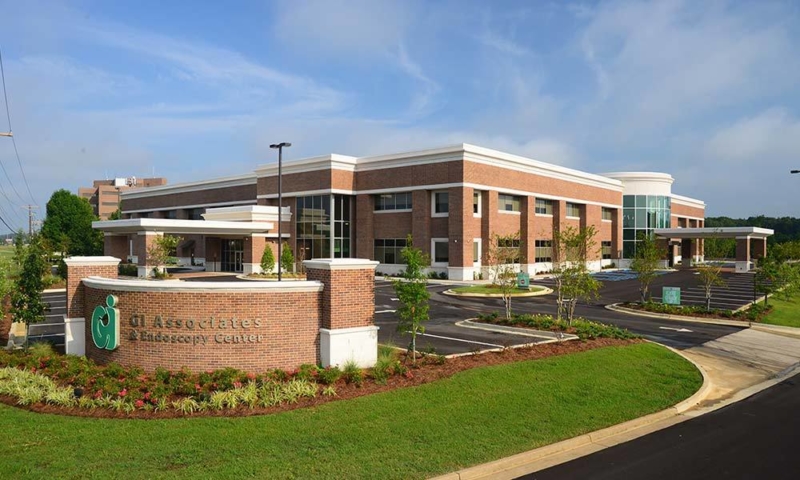
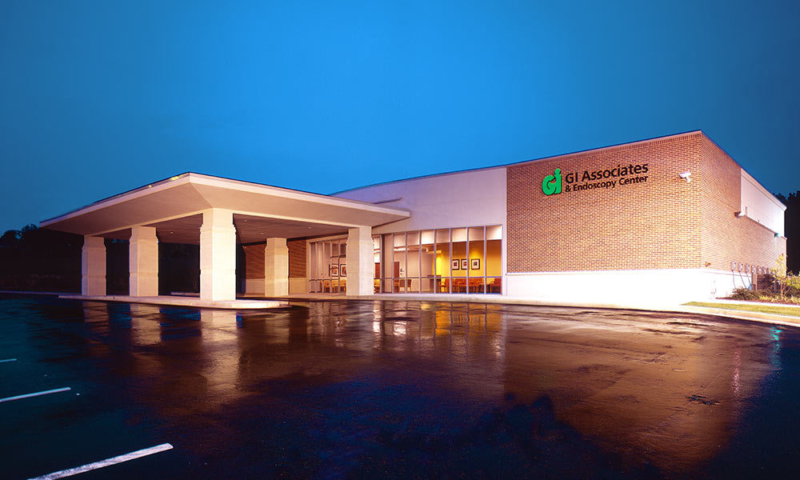
The gastrointestinal specialists at the GI Associates Clinic are well trained to work with children who have gastrointestinal problems. Call them today to make an appointment and to get your child back to a normal and healthy life.